

MONITOR
So, how much time should you set aside to monitor your investments? Well the answer is – as much time as you want. Your investment strategy will be based on the time or effort you want to put into investing. Lets consider a long term investing strategy, with 90% of shares in technology companies or indexes that have demonstrated steady long term growth over many years, for example check out the share price charts for S&P 500, Costco, Microsoft. The remaining 10% are in riskier companies that don’t have a growth history yet.
With a long term investment strategy your shares may experience volatility in any given year, but the goal is to create a portfolio that will perform well over the long term regardless of the economic climate.
STAY THE COURSE

Despite market fluctuations and short-term dips, it’s important to remain consistent with your investment plan. Don’t make sudden changes or decisions based on fear or emotions.
When the market is in a downswing, you may be tempted to liquidate your investments ( sell them and take the cash value) to stop losing any more money. As a long-term investor, it’s important to remember that the stock market tends to rebound over time.

On the other hand – Crafting a sound investment strategy involves carefully considering when to accept losses and move on. This is more likely to arise when you have invested in riskier companies and the risk has gone against you. Sometimes you might just have to realise that you made the wrong decision. See below.
READ THE NEWS

Our long term ‘safe’ investments will be fine without regular intervention or monitoring. For the riskier 10% of our portfolio, keep a weekly check on what our companies are doing. For example, are there new regulations coming out that may affect them, if so is this likely to be affect them negatively or positively?
What about court cases against / for? What is the general attitude towards them by the media, and bloggers? A simple google will give you these answers. Investing is not rocket science, despite what people will try to make you think.
Find several sources before making a decision. Some reputable websites to consider are Seeking Alpha, Yahoo Finance, Motely Fool, Trading View.
REBALANCE YOUR PORTFOLIO

Rebalancing your portfolio is an important part of creating and maintaining your wealth. Rebalancing is realigning the riskiness of your portfolio with what you feel comfortable with.
This may involve selling some of your shares that have done well and investing your profits in some companies that may not have done so well yet, but you expect to see growth – in order to restore your original asset allocation. New investors do not have to think about this too much to begin with, just be aware that in the future you might consider it.
While it is not rocket science, please don’t think you are smarter than the rest of the universe. Make sure that you always have shares of companies that will provide long term steady growth, along with ( if any) riskier ones.
AIM FOR LONG TERM GROWTH
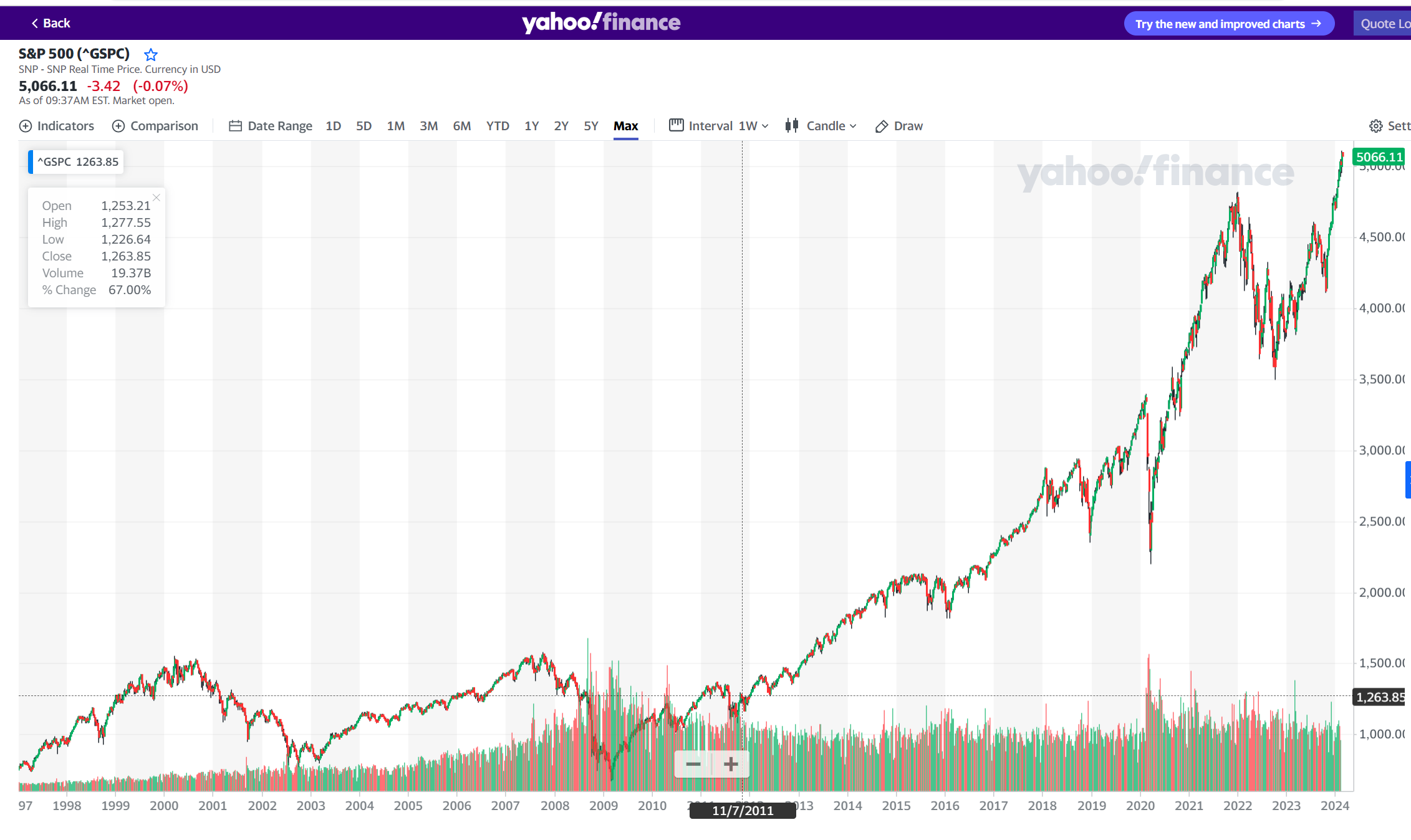
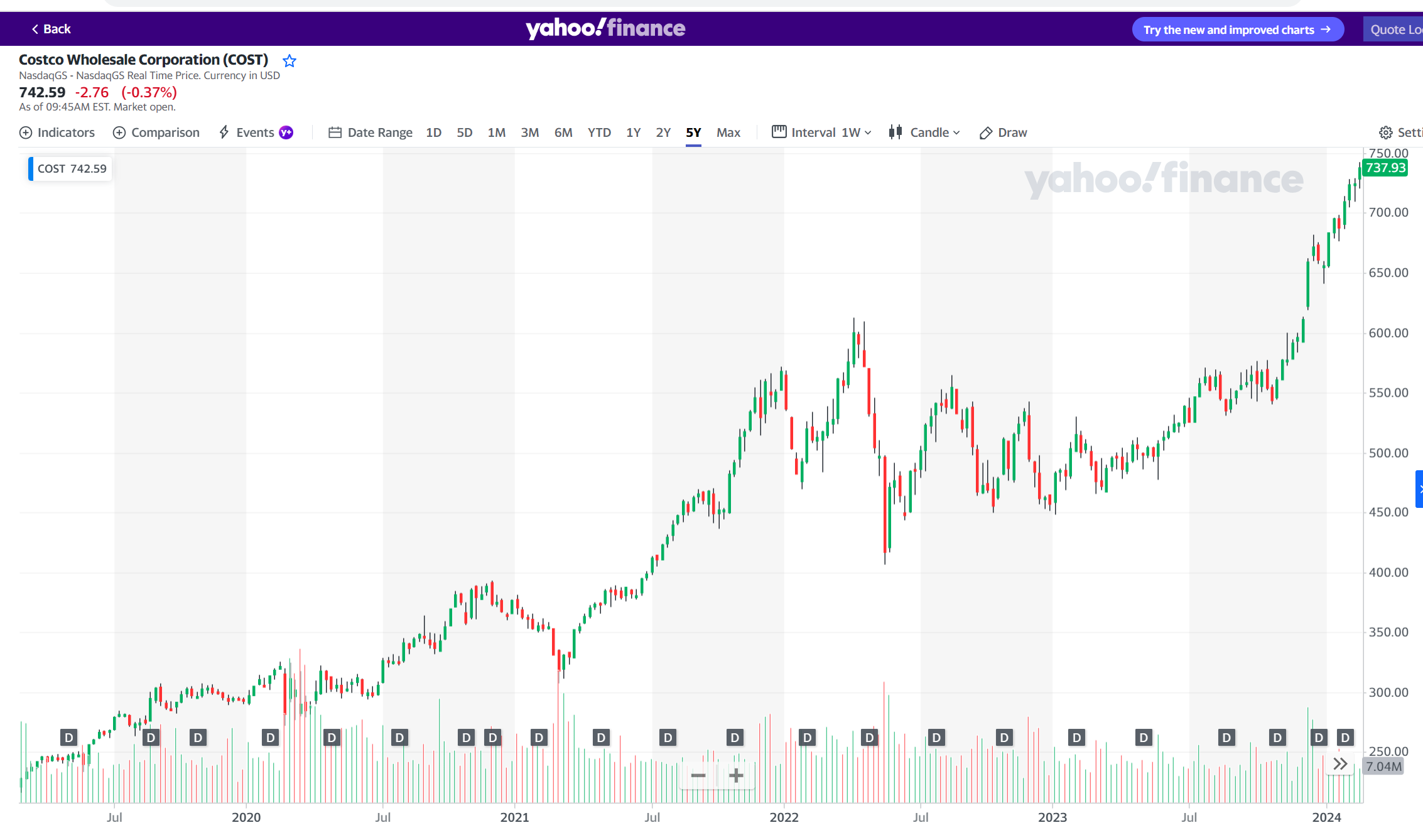
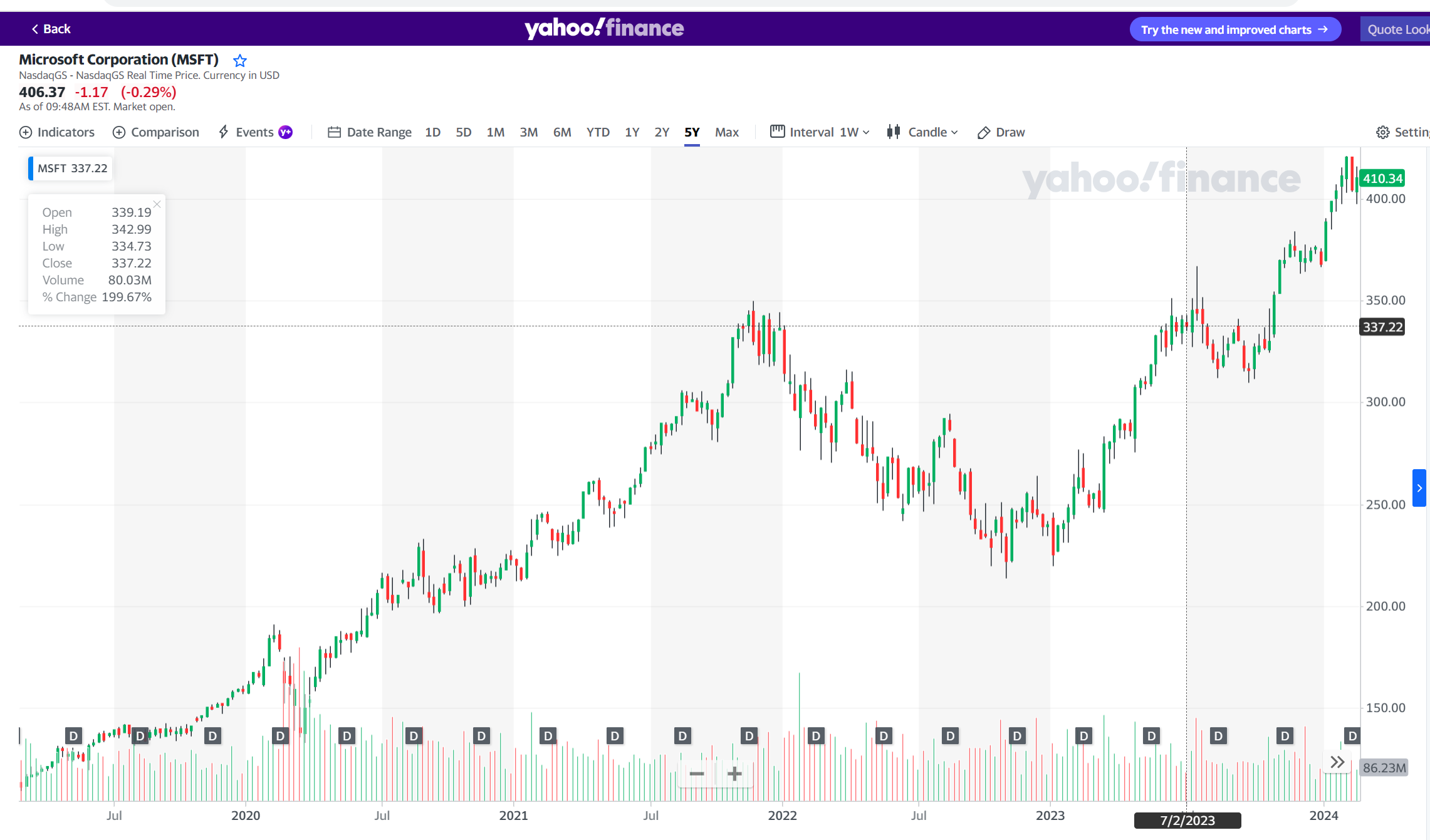
The charts above show long term steady growth. While there are price fluctuations and swings, over the long term the price rises. The younger you are, the less these fluctuations affect you. If you are coming to retiring age, your strategy may change to less and less riskier investments, as you will want to start selling your shares to live off in old age. You will want to be selling at the highest price you can get i.e. not in a downswing.
What company would you like to see analysed for long term growth?
 Sailor & Watters
Leave a comment